
Aurora Horses And Humans Coaching
Aurora Horses And Humans Coaching
 Français
Blog : Horse Human Harmony
Why I Prioritize Liberty Work — Even with Young Horses
When we talk about young horses, the first image that often comes to mind is a halter, a lead rope, and control. Many believe that before setting them free, you must "lay the foundations," "teach the rules"… in other words, ensure they respond to our demands.
Yet, I choose to work in liberty from the very beginning.
Not because it’s easier — it’s often not. Not to look impressive — it’s not about the show. But because it’s the most natural, honest, and transparent way to build a true relationship.
Liberty Reveals the Truth
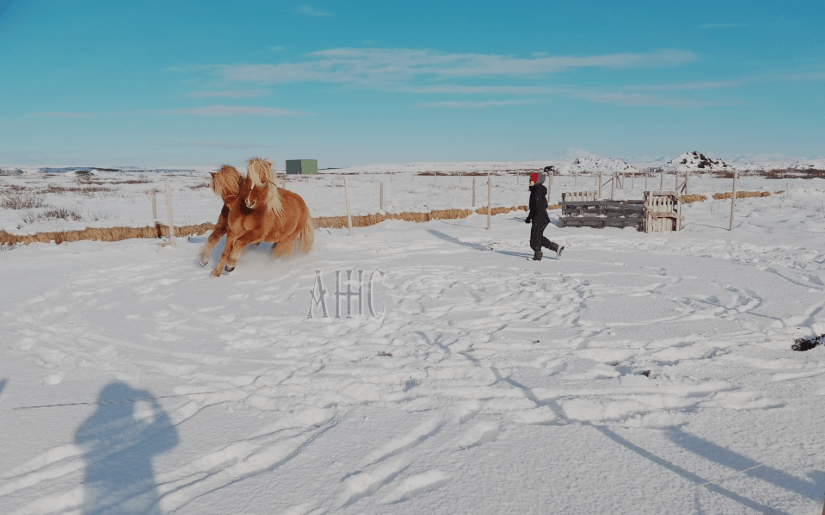
When a horse is free, they have a choice. The choice to stay or leave. To interact or ignore me.
It’s brutally honest.
If a young horse runs away, I can’t add pressure to the lead rope to hold them back. If they don’t want to listen, I can’t force them to focus by limiting their physical space.
I am faced with their truth.
And this truth pushes me to ask myself the right questions:
Why don’t they want to stay near me?
Did I capture their attention without imposing myself?
How can I inspire them to choose connection over flight?
Building a Relationship on Choice, Not Control
Many fear that a free horse will become unmanageable. That they’ll enjoy their independence too much and we’ll "lose control."
But here’s the nuance: I’m not seeking control. I’m seeking cooperation.
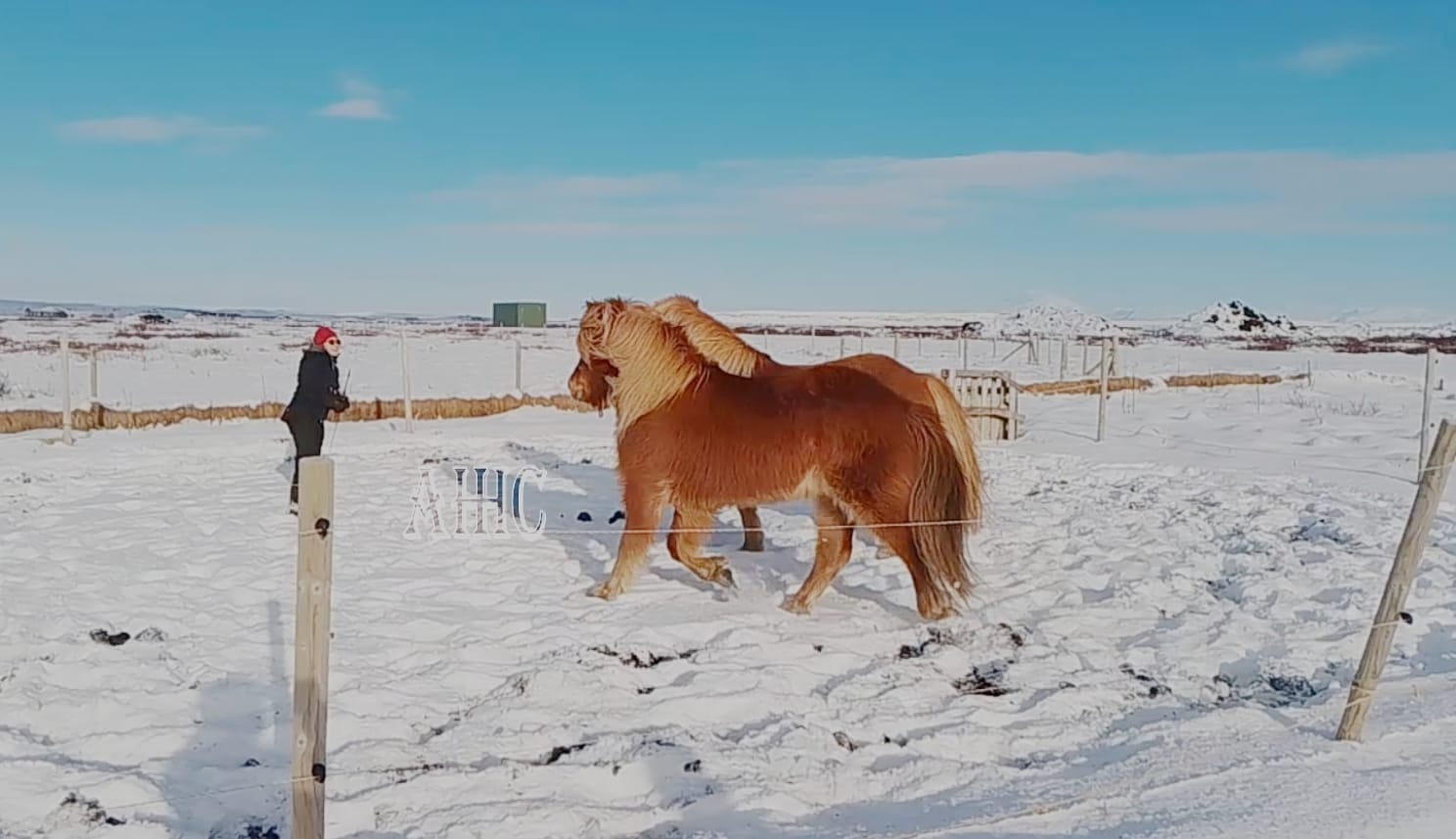
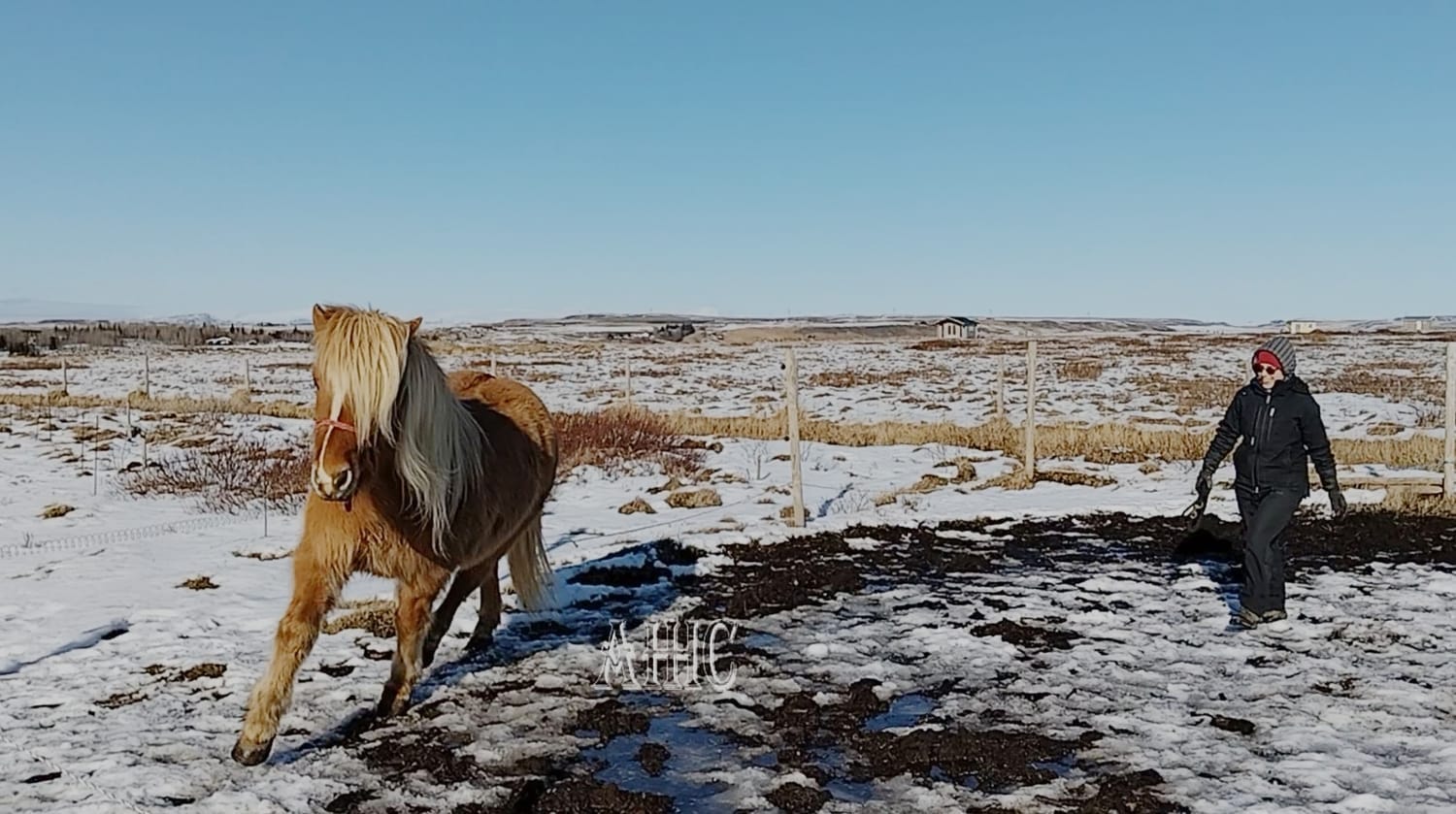
When a young horse chooses to follow me without a rope, to circle around me without a lead, to return to me after a spook…
It’s a conscious choice.
And that choice is worth far more than a response gained through force.
Liberty Doesn’t Mean Chaos
Working in liberty doesn’t mean letting the horse do whatever they want.
It’s a dialogue where I give them space to express their emotions, their confusion… while offering clear, reassuring boundaries.
Of course, I set limits — but these limits don’t come from force. They emerge from our relationship, from the trust we build.
There’s a difference between getting a "yes" out of fear and getting a "yes" because you’ve convinced and reassured them.
Why Start with Liberty?
Because waiting wastes time.
If I start with control — longe line, tight halter, constant pressure — I’m laying the foundation of a one-sided relationship from the start.
Later, I would have to "un-teach" the horse this dependence on restraint to show them they can think, offer, and engage.
So why not start directly with the right language?
Liberty doesn’t complicate learning — it clarifies it.
A Free Horse is an Honest Horse
When a horse is free, every reaction is sincere.
If they move away, they’re telling me they don’t feel safe or don’t understand.
If they stay, it’s a choice — not resignation.
If they offer a movement, it’s because they dare to think for themselves.
And it’s in this raw honesty that true mutual trust is born.
💭 And you? Have you ever worked a (young) horse in liberty? How did you experience it?
I’d love to hear your thoughts and experiences — share them in the comments! ✨
Want to see liberty training come to life? Follow us on Facebook for videos, real-world examples, and a wealth of information!
👉 Aurora horses & humans' coaching
And if this article inspires you, share it so more horses and humans can experience these unique moments! 🌟
SHARE


Stay connected !
Receive our exclusive tips straight to your inbox by subscribing to our newsletter over there 📩 !

This site is not affiliated with, endorsed by, or verified by Meta Platforms, Inc. or its subsidiaries (Facebook, Instagram, WhatsApp, etc.). The content of this site has not been reviewed by Meta Platforms, Inc. or its associated brands. "Facebook," "Instagram," and other mentioned product or service names are trademarks of Meta Platforms, Inc.