
Aurora Horses And Humans Coaching
Aurora Horses And Humans Coaching
 Français
Blog : Horse Human Harmony
In what way is falling useful or normal?
And what if we stopped glorifying the fall? Of turning it into a rite of passage? What if the real proof of courage was building a relationship that doesn't need it?
In the equestrian world, we often hear this almost commonplace phrase: "Falling is how you gain experience". A kind of tacit acceptance has settled in, as if falling were an inevitable step, a price to pay for our passion.
But what if falling wasn't a mandatory step, but a signal to listen to?
Behind every fall, there are causes : an imbalance, a misunderstanding, a broken dialogue. Rather than accepting the idea that it's inevitable, let's explore these sources. It's by understanding these mechanisms that we can build safer, more confident horsemanship.
Deconstructing the reasons: these false justifications
Does the unpredictability of the horse automatically lead to a fall?
Certainly, our horses are sensitive, reactive beings. A sudden noise, a fleeting shadow, and off they go in a sudden jump, or we find ourselves tensing up and imagining the worst. But must a sudden tension or jump necessarily end on the ground? What if the self-regulation of rider and horse and a rock-solid relationship of trust were the key to facing it without falling?
We often hear that to learn, you have to fall
Isn't there a lack of questioning of teaching methods hidden there?
Do we really have to perpetuate the idea that "everyone goes through it" at the risk of discouraging, or even traumatizing?
Isn't it absurd to place a learner on a horse without adequate preparation, without solid groundwork, accepting the fall as a "normal" outcome?
Is the unexpected a condemnation to falling?
Of course, the unforeseen exists: slippery ground, defective equipment, or even a horse with hidden pain. But must these hazards always result in a fall? Doesn't this acceptance make us less vigilant towards signals, essential checks, and potential risks for our safety and that of our horse?
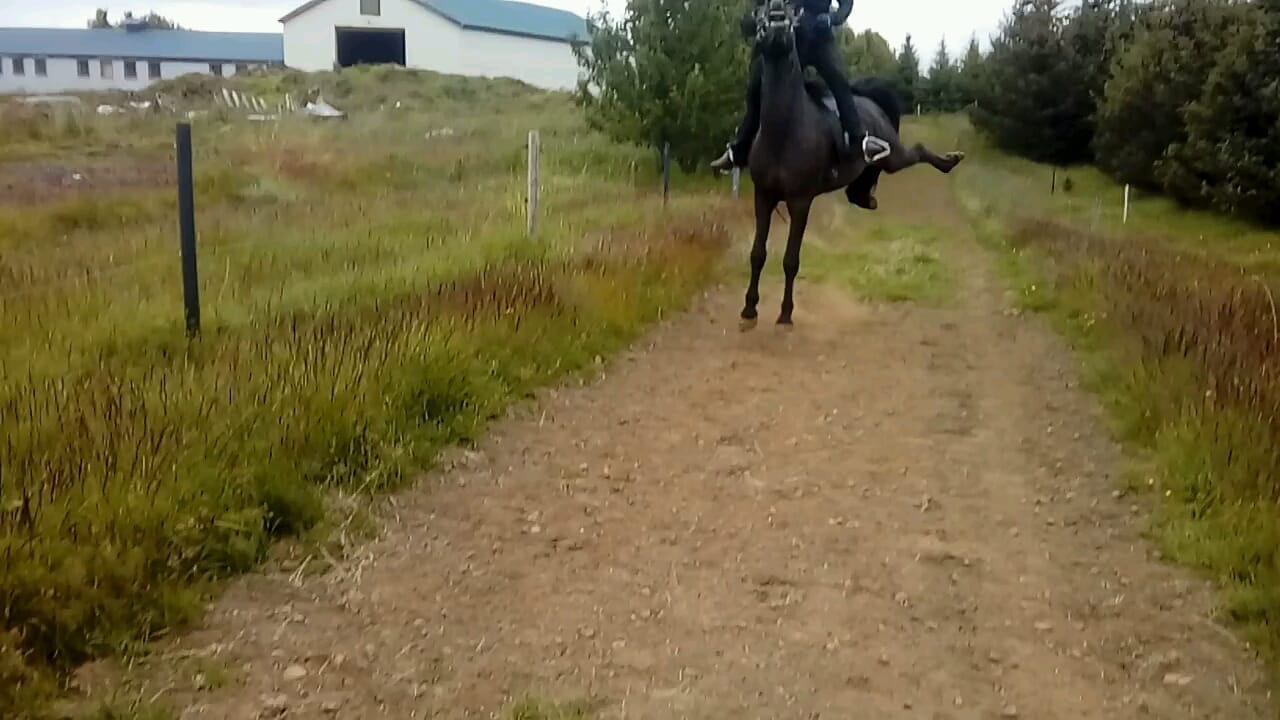
"Falling is part and parcel of being a rider"
By presenting falling as inevitable, we trivialize a potentially traumatic and dangerous event.
This can lead to less vigilance regarding safety, a tacit acceptance of risky situations, and a lack of effort to develop teaching methods focused on preventing falls.
By focusing on the post-fall reaction ("you get back up"), we miss the essential point: avoiding the problem. We value risk-taking instead of mastery and harmony.
The rise of protective equipment, while commendable, should not mask the need for a prevention-oriented approach.
Is it normal to ride a horse and expect to be thrown off at every session?
Should riding a horse really involve fear and pain?
A fall is never trivial
What we often overlook is that beyond the immediate physical pain, falling often leaves invisible scars, an insidious trauma that can take root permanently in the rider.
The fear of falling again, stiffness, hesitation, loss of self-confidence and confidence in one's mount... These are all natural reactions that can increase the risk of future incidents.
A tense rider transmits their apprehension to their horse, creating a vicious circle where mistrust settles in on both sides.
This loss of fluidity in the aids, this hesitation in actions, can unbalance the horse, make it more anxious or reactive, thus amplifying the rider's initial problem.
Gradually, a negative pattern sets in, a pattern of tension and mutual mistrust where the fall becomes an omnipresent shadow, hindering any progress and undermining the pleasure of riding.
STOP RIGHT THERE! Falling is not a medal to pin on your jacket. It's not a mandatory step to becoming a "real" rider.
If a fall occurs, it is often an extreme signal, reflecting an imbalance or a lack of clarity in communication.
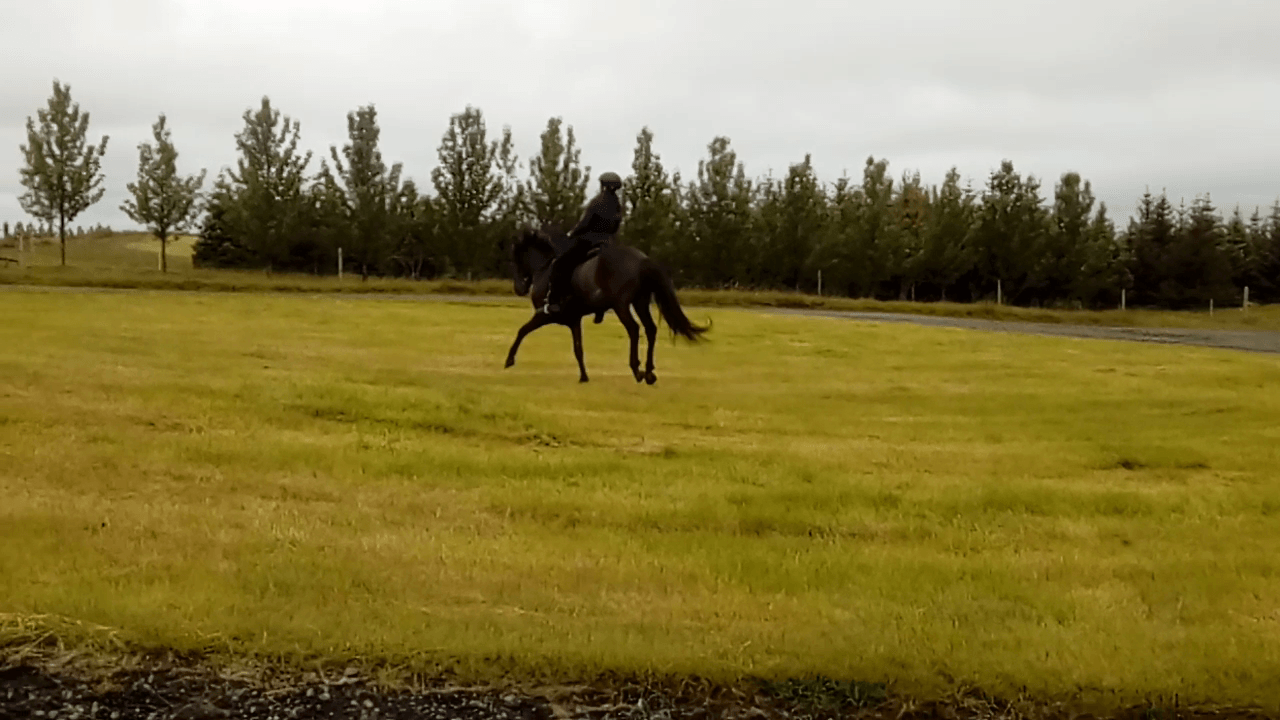
What is the alternative?
What is this "other path" towards horsemanship where falling is no longer a threatening shadow?
It's horsemanship based on:
Deep listening to the horse: Becoming a true interpreter of their signals, their emotions, their needs.
Self-awareness: Being honest about your own level, your own limits, and progressing at your own pace.
Building an unshakeable relationship of trust: A bond based on respect, patience, and clear communication.
Progressive and solid learning: Building solid foundations before trying to erect castles.
Prioritizing safety: Suitable and well-maintained equipment, constant evaluation of conditions and the form of each individual.
Riding is a sport that involves risks, we are aware of that. But accepting the risk does not mean normalizing the fall. The goal should always be to build more conscious horsemanship, more respectful of the horse and our own limits.
Our approach is not to eliminate risk entirely, but to reduce it considerably. We invest in a deep relationship of trust, in the self-regulation of rider and horse, and in quality horsemanship based on understanding and respect.
The goal is not to deny reality, but to refuse to let this reality dictate a dangerous norm. Every step towards a better connection is a step towards safer riding, where the unexpected is no longer synonymous with an inevitable fall.
It is true that we can make mistakes, misjudge a situation. But the majority can be avoided, with learning that respects the rhythm of each individual, horse and rider.
It's a gentle and gradual progression, marked by small victories that build confidence. Mistakes mainly occur when we rush through the steps, when we forget the foundations.
Respecting the steps means preparing the ground for smoother and safer riding.
Taking the time to listen to your horse from the beginning of the session (good grooming, not just to put on the saddle), observing their signals, being attentive to yourself, and checking your equipment instead of rushing, is putting all the odds in your favor to avoid pitfalls.
Listening and awareness are our best allies! A horse that feels good in its body, with its equipment and its rider, is a more stable and cooperative partner.
Trials can be experienced with curiosity, with kindness, in an environment where horse and rider feel safe. We don't learn by falling, but by listening, observing, and refining our dialogue.
Solid groundwork, clear communication from the start – these are the pillars of horsemanship where falling is not a box to tick on the learning path.
Down with falling, long live harmony!
Imagine horsemanship where fluidity replaces stiffness, where harmony erases the battle, where mutual trust is the foundation of every interaction. It's possible! It's not a utopian dream, but an accessible path for those who are willing to question preconceived ideas and place well-being and safety at the heart of their practice.
Share your thoughts and experiences. What is your relationship with riding, falls, or harmony?
And for those who want to take a step further towards harmony, here is our free Guide on "5 mistakes to avoid for harmony with your horse".
👉 To get more tips on equestrian training: Subscribe to our newsletter and follow us on social networks so you don't miss anything!
And if this article resonated you, please share it ! 🌟
SHARE


Stay connected !
Receive our exclusive tips straight to your inbox by subscribing to our newsletter over there 📩 !

This site is not affiliated with, endorsed by, or verified by Meta Platforms, Inc. or its subsidiaries (Facebook, Instagram, WhatsApp, etc.). The content of this site has not been reviewed by Meta Platforms, Inc. or its associated brands. "Facebook," "Instagram," and other mentioned product or service names are trademarks of Meta Platforms, Inc.